Brisbane's Trusted Mould Removal Specialists

Don't let mould damage your health or home. Get connected with experienced Brisbane mould removal professionals for a free inspection and obligation-free quote.
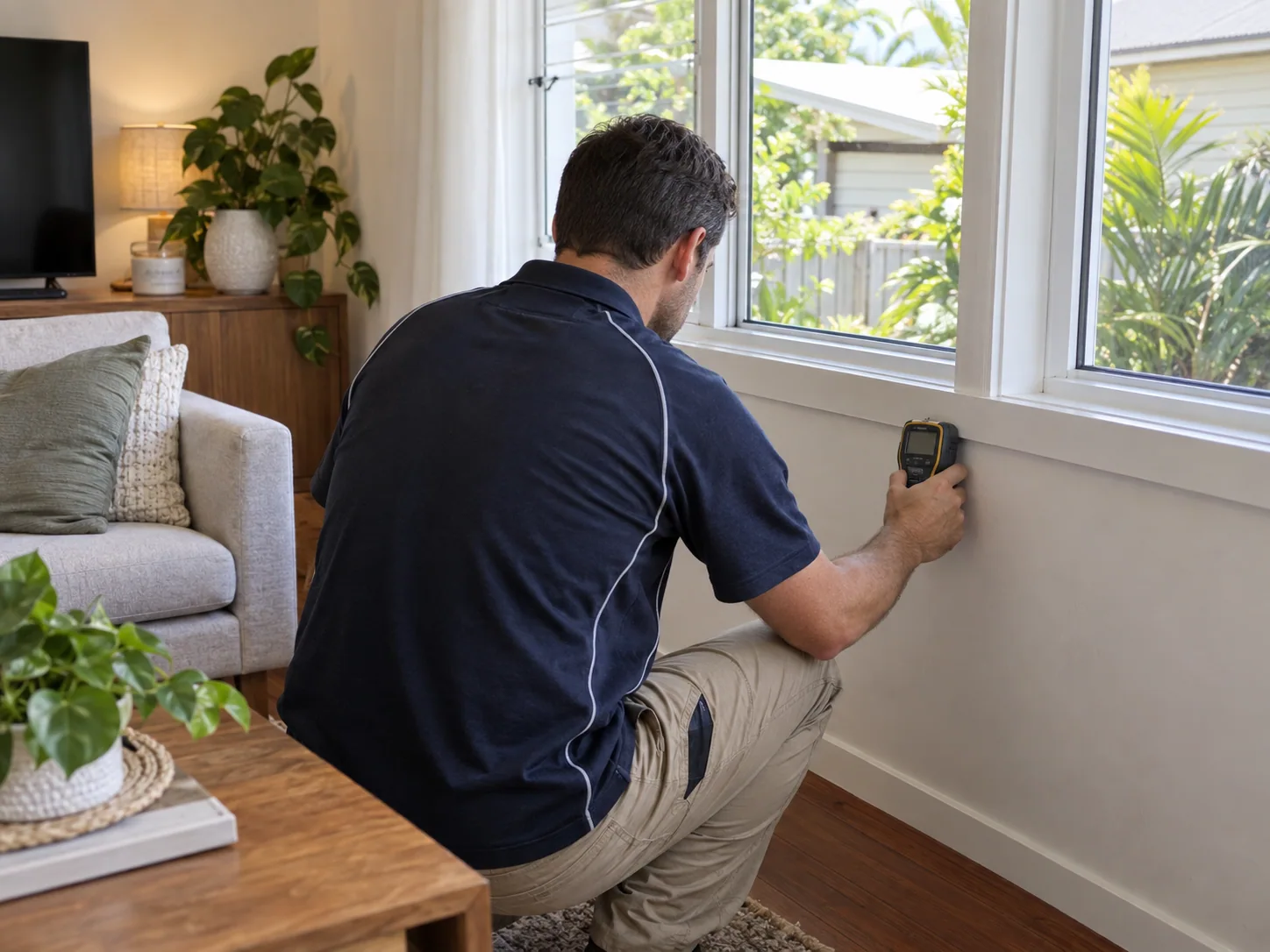
Free InspectionsSame-Day ResponseLicensed Experts

Professional Mould
Removal Services

Brisbane & Surrounds

How Much Does Mould Removal Cost in Brisbane?

Mould removal costs vary depending on the severity, location, and type of mould. Most Brisbane homes can expect to pay between $500 and $5,000 for professional mould remediation.

  • Small area (1-3 sqm)$300 - $800
  • Medium area (3-10 sqm)$800 - $2,500
  • Large area (10+ sqm)$2,500 - $5,000+
  • Full home remediation$5,000 - $15,000+
View Full Cost Guide

Transparent Pricing

No hidden fees

What Brisbane Homeowners Say

Found mould under the carpet in our spare bedroom after a pipe leaked slowly for what turned out to be weeks. The carpet and underlay had to go, but the specialist saved the floorboards underneath with treatment and proper drying. Fast, professional, and they explained every step. Would recommend to anyone dealing with carpet mould.

Peter K.

Our Gold Coast townhouse had mould on the curtains and window frames in three bedrooms. The inspection found a condensation problem made worse by single-glazed windows and the fact we always kept curtains closed. Mould was treated, and the practical ventilation tips they gave us have made a real difference.

Rachel and Tom H.

Had rising damp causing mould on the lower walls of our 1960s home in Tarragindi. The team explained the whole process — damp course injection, removing affected plaster, treatment, and replastering. They were upfront about costs and timeline. The house smells completely different now, much fresher.

Andrew P.

We moved into our Redcliffe apartment and noticed a musty smell from the air conditioning. Turns out the split system was full of mould. The specialist cleaned the whole unit — coils, fan, drain line — and the difference was immediate. No more stale smell and my morning sneezing stopped. Wish I’d done it months ago.

Lisa W.

As a landlord with a property in Logan, I had a tenant report mould in two bedrooms. I needed a professional assessment to understand the cause. The inspection report was detailed and clearly showed the mould was caused by a plumbing leak in the wall cavity, not tenant behaviour. Helped resolve the situation fairly for everyone.

James R.

My bathroom ceiling had mould that kept coming back no matter how many times I cleaned it. The specialist identified that our exhaust fan was too small for the bathroom and the ceiling plasterboard was waterlogged. They replaced the affected section, treated everything, and installed a proper fan. Six months later — no mould at all.

Michelle L.

Frequently Asked Questions

Yes. New homes can develop mould for several reasons: construction moisture trapped in concrete, plasterboard, and timber during the build may not fully dry before the home is sealed; minor defects in waterproofing, flashings, or drainage can introduce moisture; and modern airtight construction — while energy-efficient — can reduce natural ventilation, trapping humidity indoors. If you’re experiencing mould in a new home, it’s worth having a professional assessment to identify whether it’s a construction defect (which may be covered by your builder’s warranty) or a ventilation issue that needs addressing.
Yes. Visible mould, mould odour, or evidence of moisture damage can negatively impact property value and deter potential buyers. In Queensland, sellers have disclosure obligations regarding known property defects, which can include significant mould issues. Addressing mould before selling — including professional remediation and fixing the underlying cause — is generally recommended both for maintaining value and for legal compliance. A clearance inspection and report after remediation can provide evidence to buyers that the issue has been properly resolved.
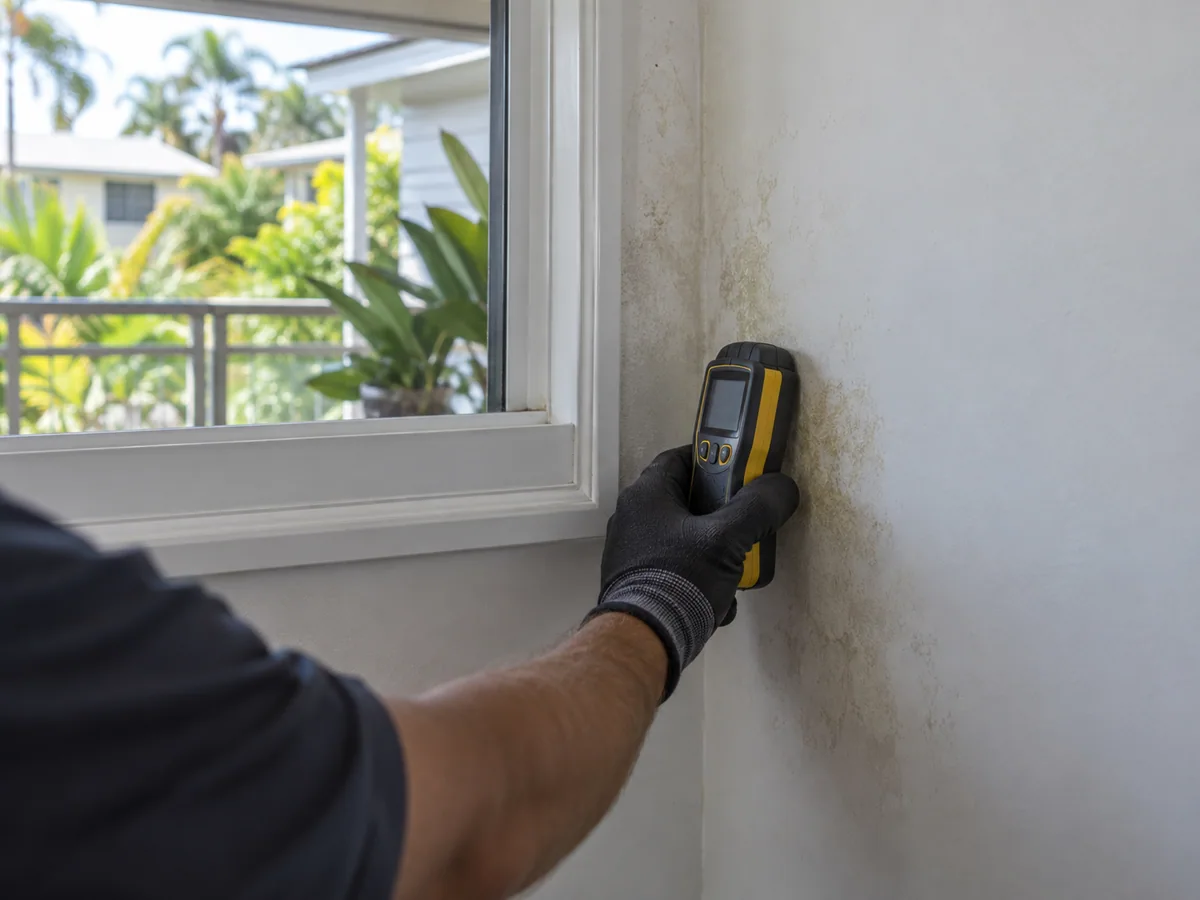
A persistent musty or earthy smell is one of the most common indicators of hidden mould growth. Even if you can’t see mould, the smell is produced by microbial volatile organic compounds (MVOCs) released by actively growing mould colonies. If you notice a musty odour that’s consistent in certain rooms or areas — especially in bathrooms, bedrooms, or near external walls — it’s worth having a professional inspection. Mould specialists use moisture meters and sometimes thermal imaging to locate hidden mould without opening up walls unnecessarily.
The IICRC (Institute of Inspection Cleaning and Restoration Certification) is an international body that provides training and certification standards for the cleaning and restoration industry, including mould remediation. In Australia, IICRC certification is voluntary — there is no mandatory government certification required to perform mould removal. However, IICRC-trained technicians have demonstrated knowledge of industry-standard remediation practices, containment protocols, and safety procedures. When choosing a specialist, IICRC training is a positive indicator but should be considered alongside experience, insurance coverage, and equipment quality.
Yes. Mould commonly grows behind walls where moisture is present — from plumbing leaks, condensation in wall cavities, rising damp, or water intrusion from outside. Hidden mould may not be visible but can be detected by a persistent musty smell, discolouration showing through paint, peeling or bubbling paint, or warped skirting boards. Professional moisture meters and thermal imaging can identify damp areas within walls without the need for destructive investigation. If hidden mould is suspected, a professional inspection is the most effective way to confirm and locate it.
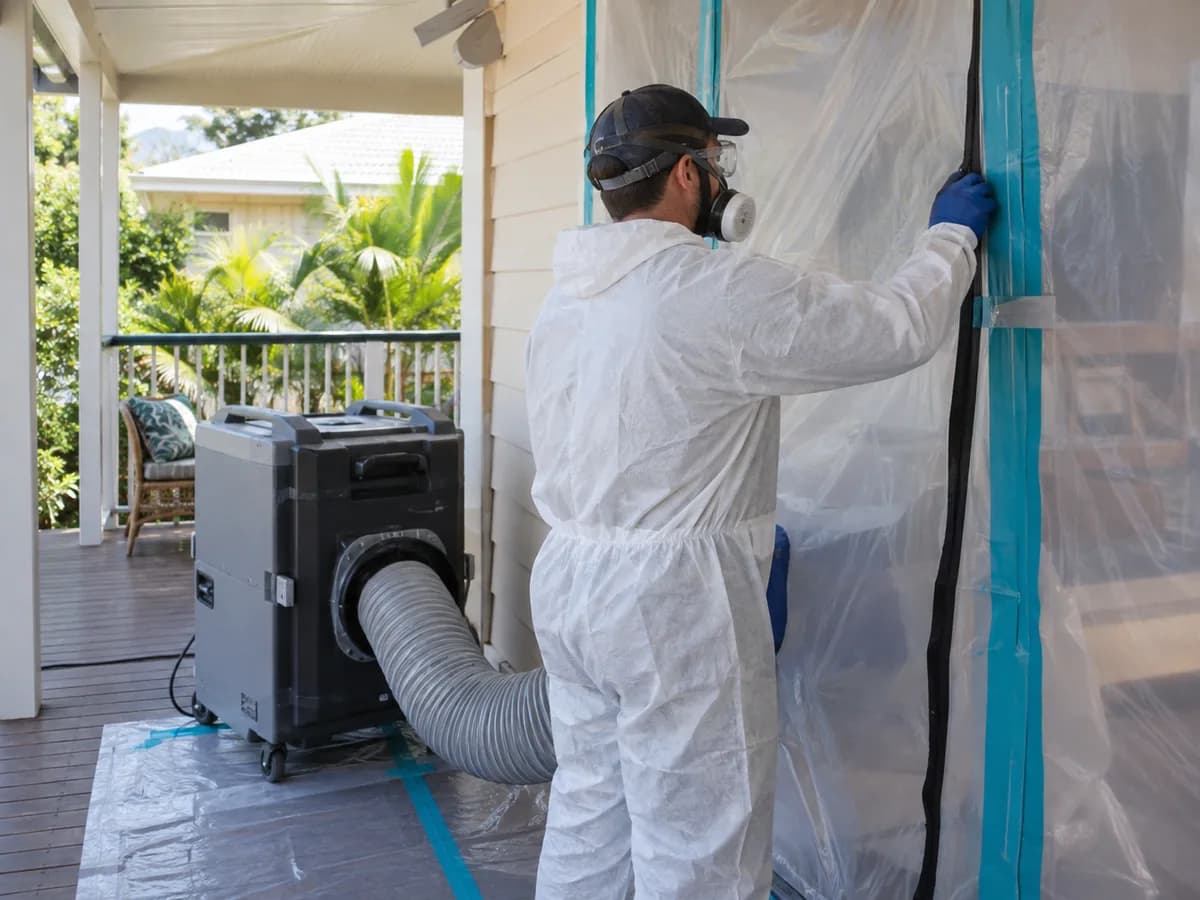
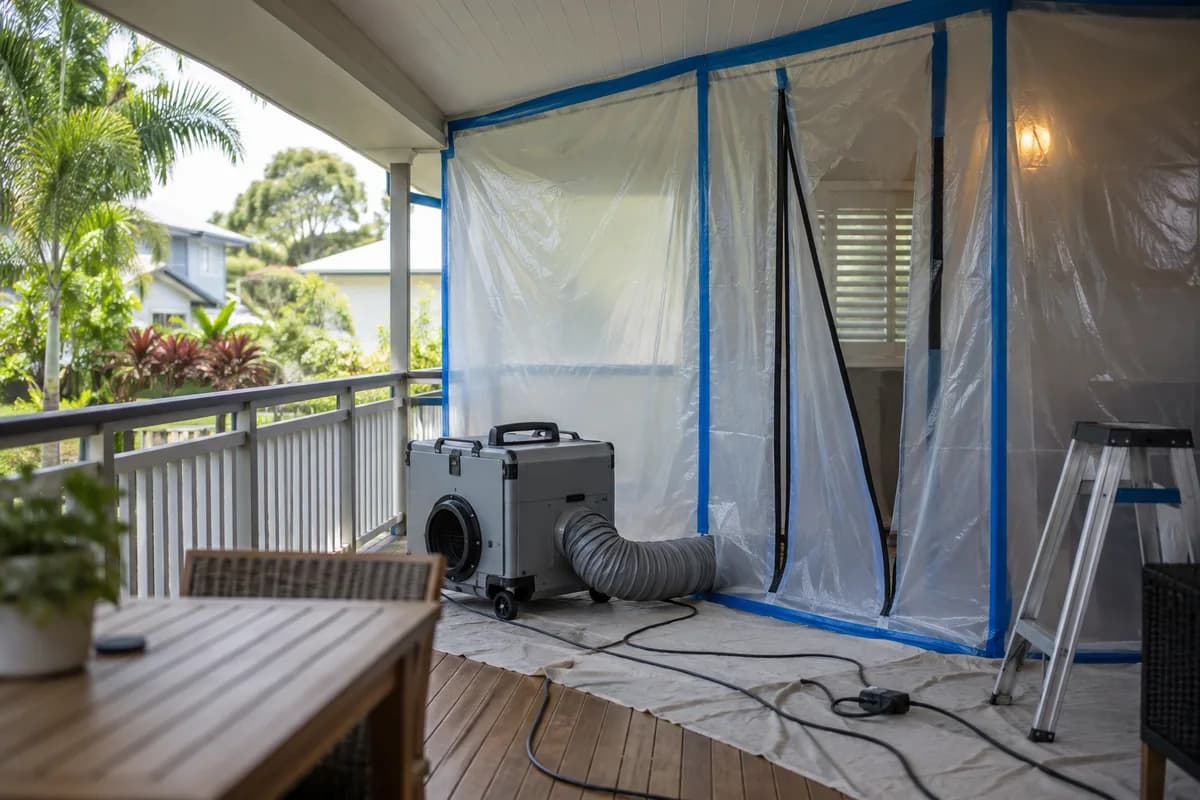
Mould removal typically refers to cleaning and treating visible mould from surfaces. Mould remediation is a more comprehensive process that includes removal but also addresses containment (preventing spore spread), air filtration, hidden contamination, material removal if necessary, moisture source resolution, and verification. For minor surface mould, removal may be sufficient. For significant, recurring, or hidden mould problems, full remediation is the appropriate response to ensure the problem is completely resolved.
For minor surface treatment in a single room, it’s usually not necessary to leave your home — just avoid the treated area until it’s dry. For moderate to major remediation involving containment, HEPA filtration, and material removal, it may be advisable to vacate the affected area or the home entirely during the active remediation phase. This is particularly recommended if anyone in the household has respiratory conditions, allergies, or a compromised immune system. Your specialist will advise on the best approach for your specific situation.
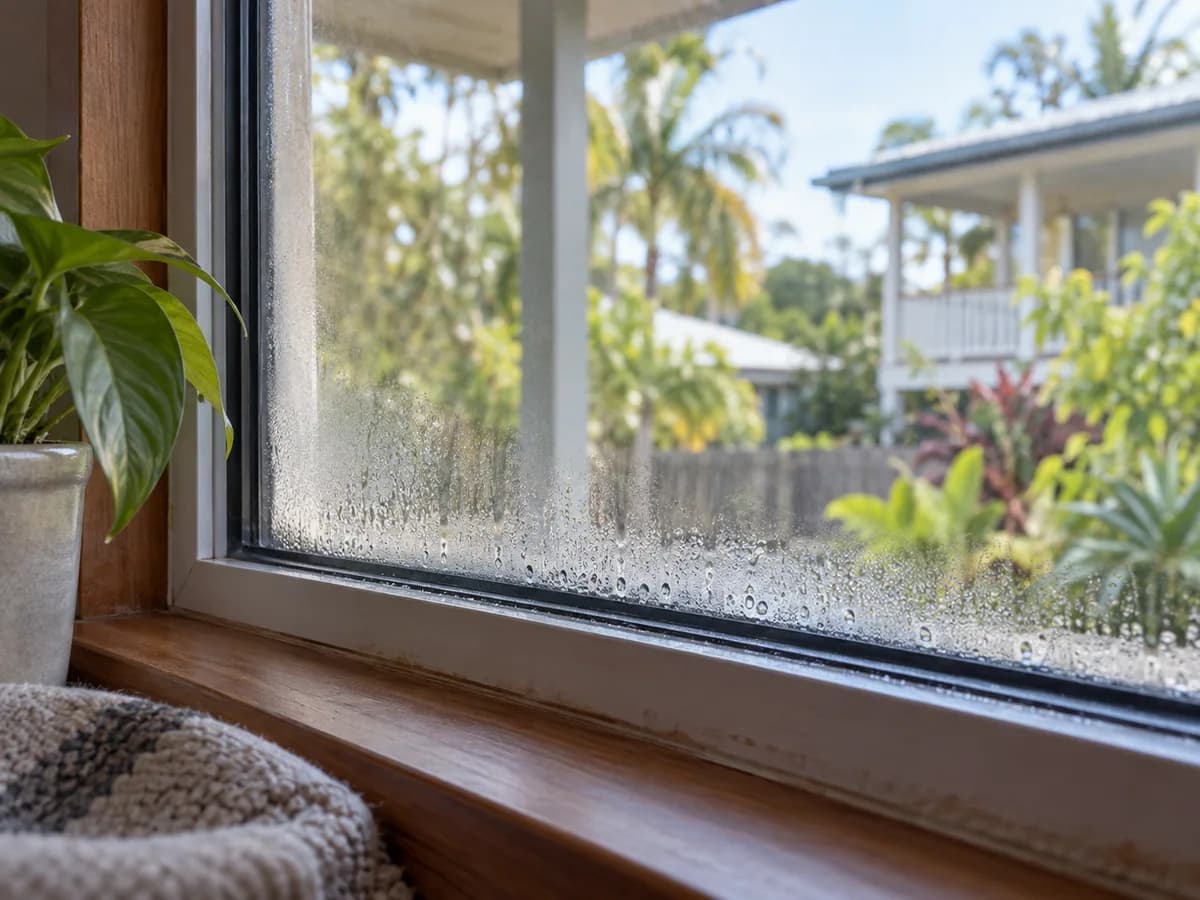
Both seasons present mould risks in Brisbane, but for different reasons. Summer brings high humidity and heavy rainfall that increase moisture levels throughout the home. Winter brings condensation — when warm indoor air meets cold surfaces (windows, external walls), moisture forms that feeds mould growth. Many Brisbane homes see the worst mould during the transition between seasons, when temperature fluctuations are greatest. Year-round ventilation and moisture management is the most effective prevention strategy.
Under Brisbane’s warm conditions, mould can begin growing on damp surfaces within 24 to 48 hours of water exposure. Visible mould colonies can develop within a week, and extensive contamination can spread through walls, flooring, and ceiling cavities within two to three weeks. This is why rapid drying after any water event — flooding, burst pipes, roof leaks, or major spills — is critical for preventing mould. If water damage isn’t addressed within 48 hours, professional mould prevention or remediation is strongly recommended.
Professional mould testing can include air sampling (using spore traps to capture airborne mould particles), surface sampling (tape lifts or swabs from visible mould growth), and moisture mapping (using moisture meters and sometimes thermal imaging to identify hidden damp areas). Samples are sent to accredited laboratories for analysis, which identifies the mould species present and their concentration. Testing is particularly useful for identifying hidden mould, confirming species when health concerns exist, supporting insurance claims or rental disputes, and verifying successful remediation.
The most effective prevention strategies include: using exhaust fans in bathrooms and kitchens during and after moisture-generating activities, maintaining good ventilation by opening windows when weather permits, keeping indoor humidity below 60% using dehumidifiers if needed, fixing leaks and plumbing issues promptly, not drying clothes indoors without adequate ventilation, keeping furniture away from external walls to allow airflow, ensuring subfloor vents aren’t blocked, maintaining gutters and downpipes, and cleaning bathroom surfaces regularly to prevent mould from establishing.
Brisbane’s warm, humid subtropical climate is the primary driver — average humidity regularly exceeds 60%, and temperatures stay warm enough year-round for mould to thrive. Within the home, common causes include poor ventilation (particularly in bathrooms and kitchens), condensation on cold surfaces like windows and external walls, plumbing leaks, rising damp in older homes, inadequate subfloor ventilation, water damage from storms or flooding, and indoor activities that generate moisture like showering and drying clothes indoors.
Bleach can kill surface mould on non-porous materials like tiles, glass, and sealed surfaces. However, on porous materials like plasterboard, timber, and grout, bleach primarily bleaches the colour of the mould without killing the root structure (hyphae) that penetrate into the material. The mould often regrows from these roots within weeks. Professional antimicrobial treatments are designed to penetrate porous surfaces and eliminate mould at the root, providing a more lasting result.
Small patches of surface mould (less than one square metre) on hard, non-porous surfaces like tiles or glass can usually be cleaned with appropriate products and good ventilation. However, professional removal is recommended when the mould covers a large area, keeps returning after cleaning, is growing in wall or ceiling cavities, is on porous materials like plasterboard or carpet, or when anyone in the household is experiencing health symptoms. Disturbing large mould colonies without proper containment can spread spores throughout the home.
If the moisture source that caused the mould is properly identified and resolved, the mould should not return. This is why professional remediation addresses both the mould itself and the underlying moisture issue — whether that’s a leak, poor ventilation, condensation, or rising damp. If only the visible mould is treated without fixing the moisture source, recurrence is very likely. A good specialist will include prevention recommendations as part of their service.
The timeline depends on the scope of work. Minor surface mould treatment in a single room can typically be completed in a few hours to one day. Moderate remediation involving multiple areas or cavity work usually takes 2-3 days. Major remediation requiring containment, material removal, and restoration may take 1-2 weeks. These timeframes include treatment and drying but may not include restoration work like replastering or painting, which typically follows after the treated area has been cleared.

Get Your Free Mould Inspection Quote

Describe your mould issue and a local specialist will be in touch within 24 hours.

Drag & drop or browse files

JPG, PNG, WebP, PDF, DOC — max 10MB each

By submitting this form you consent to being contacted by a local mould removal specialist. We do not perform mould removal ourselves — we connect you with trusted Brisbane professionals.

Book Free Inspection